Product Design · Visual Systems
IBM Cloud
My journey into observability grew from learning a complex platform to helping teams make its workflows, reviews, and visual systems easier to understand.
The value
Learn the system. Then help others move through it.
I joined IBM Cloud while learning a technical domain, a layered design system, and a large organization at the same time. Over three years, that learning became responsibility across product workflows, implementation quality, portfolio reviews, technical diagrams, and illustration methods.
The work did not follow one clean process. Some work reached implementation, some concepts changed direction, and some methods outlasted an individual screen. These three chapters show how my role expanded.
Proof 01 · Carried complex product work
Carry the workflow, not just the screen.
Event Notifications is the clearest example of carrying a complex product problem through framing, co-design, prototyping, moderated testing, synthesis, and recommendation. Sysdig Secure and IBM Cloud Logs provide the release context around it.
Event Notifications gave me one of my clearest opportunities to carry a complex workflow from framing through testing and recommendation.
The interface could rely on familiar IBM Cloud and Carbon components. The harder problem was sequencing the work: users had to understand sources, destinations, conditions, and the subscription they were building without carrying the entire system model in their heads.
The existing creation experience required several setup steps before users could begin their task. I organized co-design workshops and helped consolidate the work into a faster sequence through Details, Sources, Destinations, and Review. The conditions builder needed the familiarity of an email filter while supporting compound event logic, so I focused on hierarchy, rule relationships, and progressive disclosure.
I built a high-fidelity prototype, prepared and moderated sessions, synthesized the findings, and presented recommendations. The prototype made the workflow and its decision points concrete. Alongside this concept, I supported Sysdig Secure on IBM Cloud and IBM Cloud Logs through reviews, UI and icon work, Design Intent Review, and implementation follow-up, including four dark-mode issues resolved with the UI development team.
Proof 02 · Turned review findings into team action
Make critique survive the meeting.
Across Observability, reviews became useful when they produced a shared priority, a backlog, an implementation change, or an artifact another team could pick up.
Finding an issue was only the beginning. The useful work was translating it into a form the team could act on.
I participated in D&UX reviews across Logging, Monitoring, and Security, contributed to Sysdig Secure interviews and synthesis, and brought findings back to squads and design leadership. Looking across products exposed repeated issues in navigation, instance pages, icon treatment, documentation, and implementation.
An Improvement Jam turned that audit into a UX backlog, separating implementation fixes from broader product questions. The same method carried into Activity Tracker routing concepts, dark-mode reviews, Figma-library contributions, and a Monitoring heuristic evaluation: understand the issue's reach, bring in the right people, and leave behind a specific next move.
I also coordinated a technical-diagram uplift with the Observability documentation team and compared patterns with designers in CPaaS and Satellite. Selected diagrams were later used in TechXchange live labs. A useful review did more than describe quality; it created shared language and reduced the distance between a finding and the work required to address it.
Reconstructed working method
From broad concern to an actionable next move.
Find the repeated issue.
Compare products, research, implementation, and documentation rather than treating each screen as an isolated case.
Create a shared priority.
Use workshops and critique to separate local defects from patterns that affect the wider portfolio.
Give the team a next move.
Turn findings into a backlog item, design direction, diagram, library change, or implementation check.
Stay with the handoff.
Work with development, documentation, and partner teams until the reasoning is usable outside the review room.
Improvement Jam findings translated into a UX backlog.
Carbon and dark-mode issues followed through with the UI development team.
Technical diagrams continued into live-lab use at TechXchange.
Proof 03 · Designed visual systems for reuse
Turn finished images into repeatable construction.
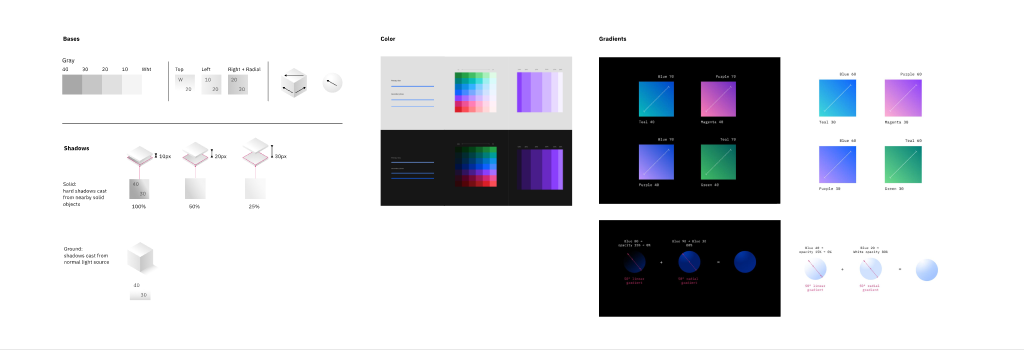
The illustration work became more valuable when the method—not only the final scene—could travel to another designer.
I stopped treating each illustration as a one-time solution and started designing the path another person could follow.
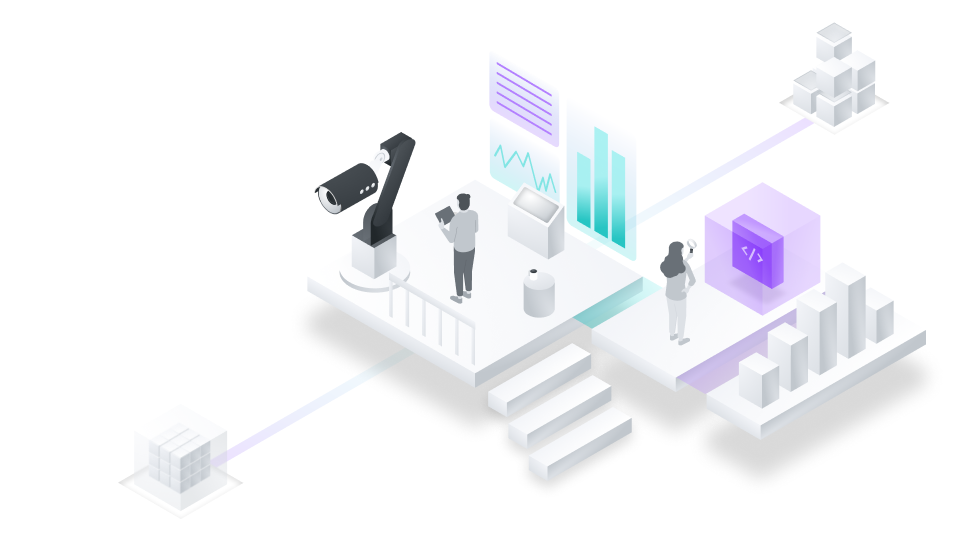
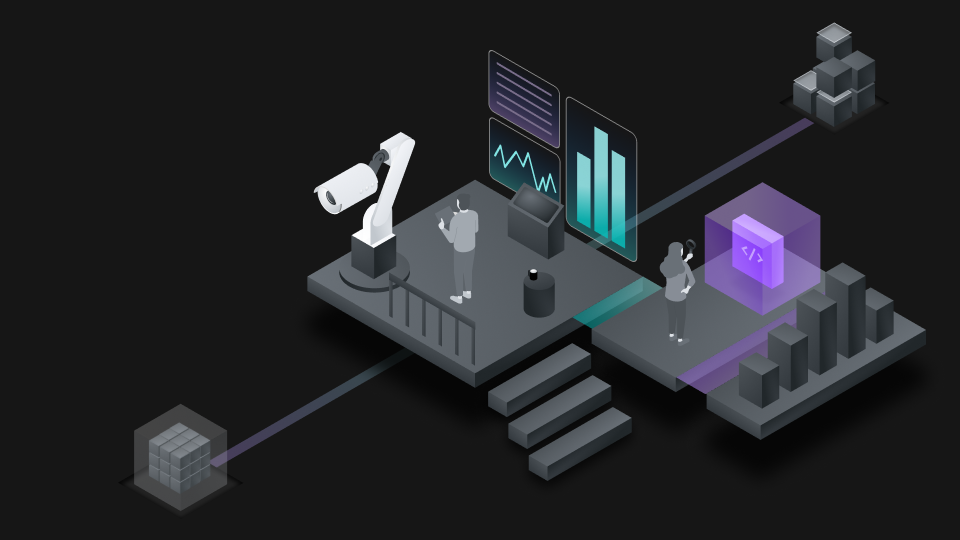
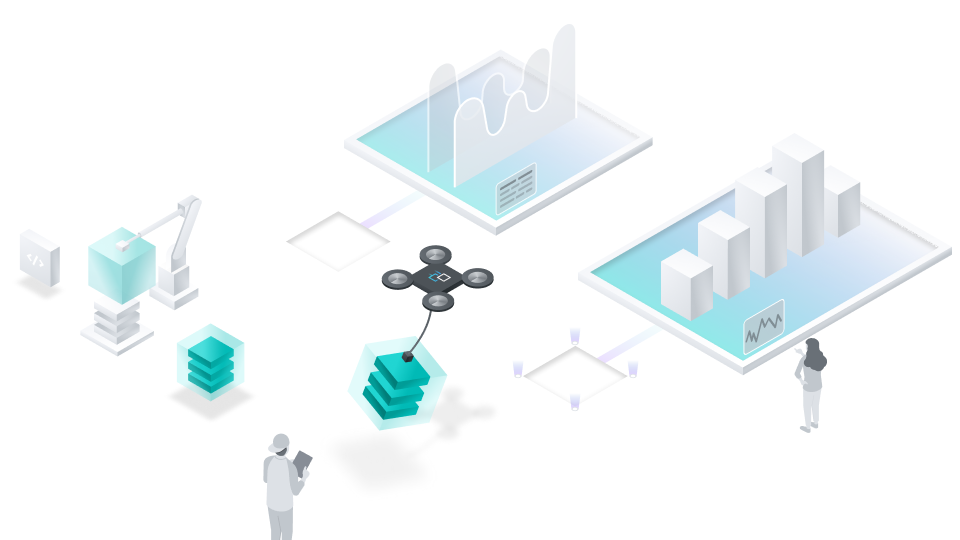
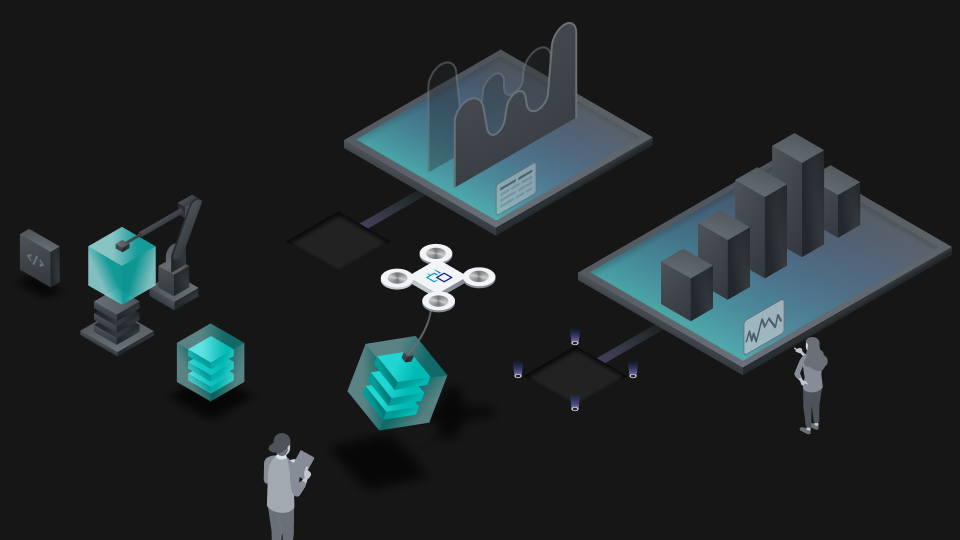
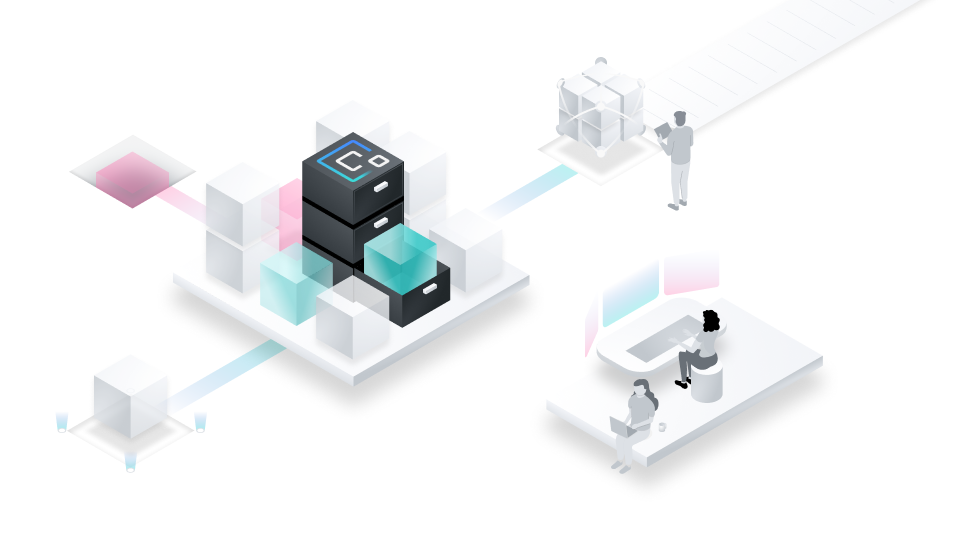
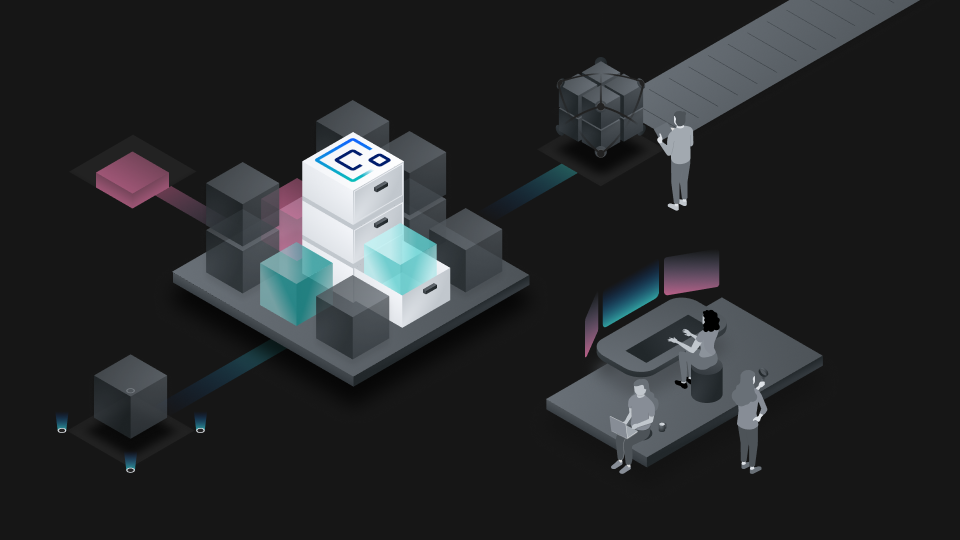
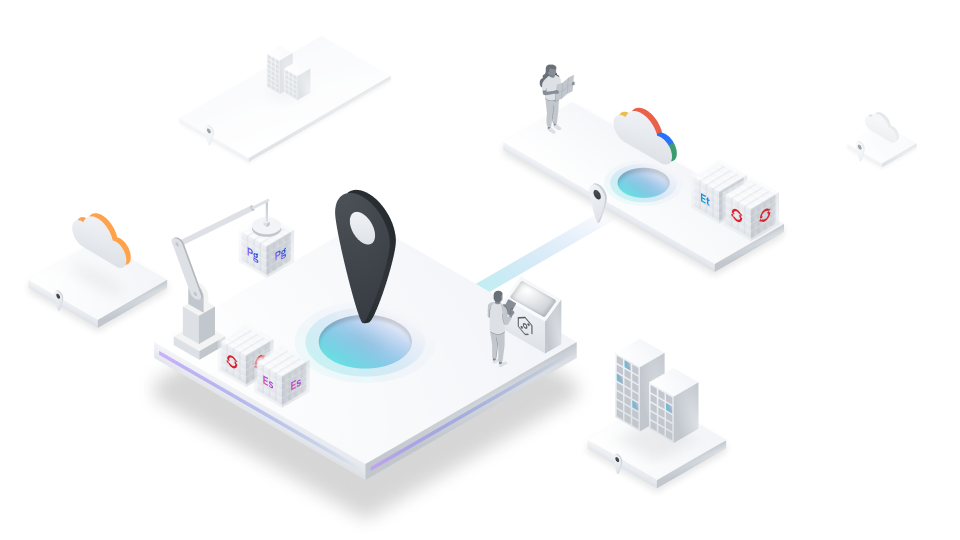
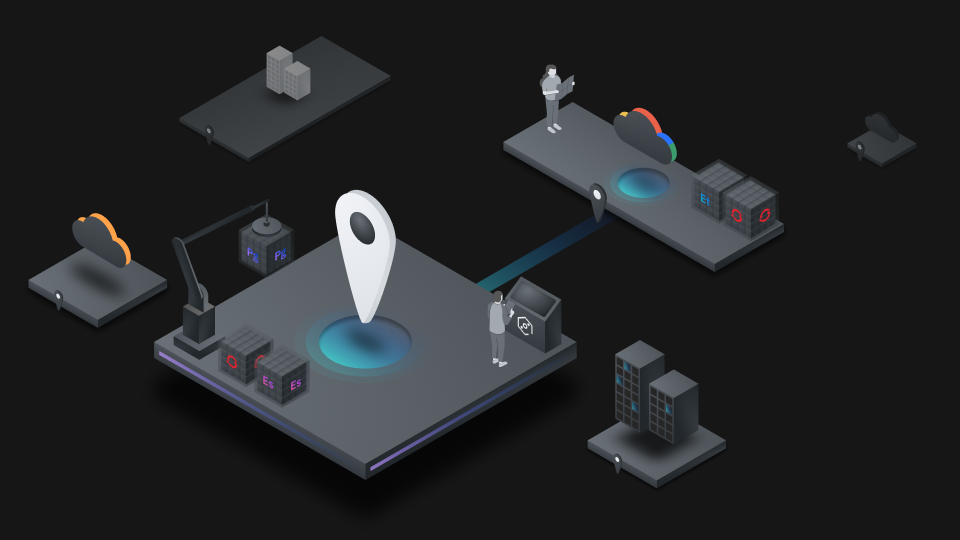
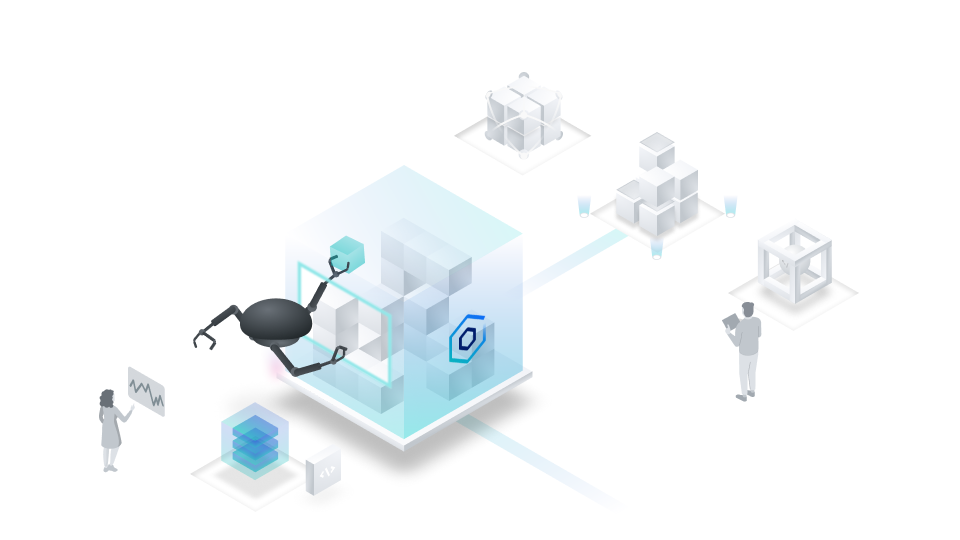
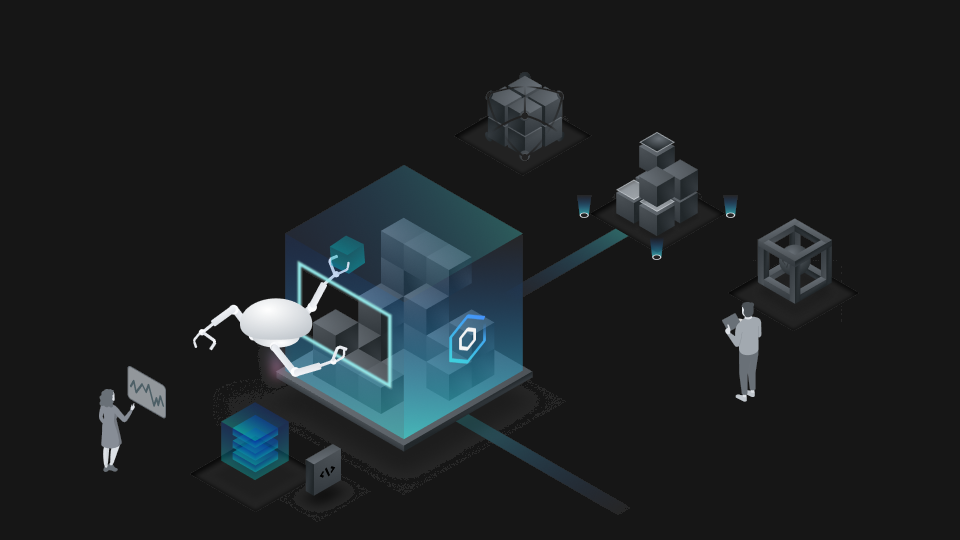
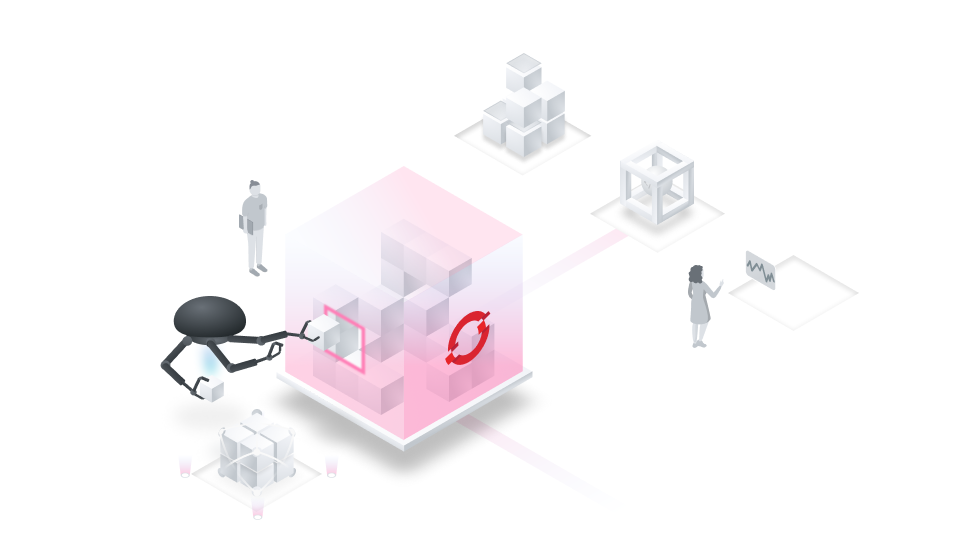
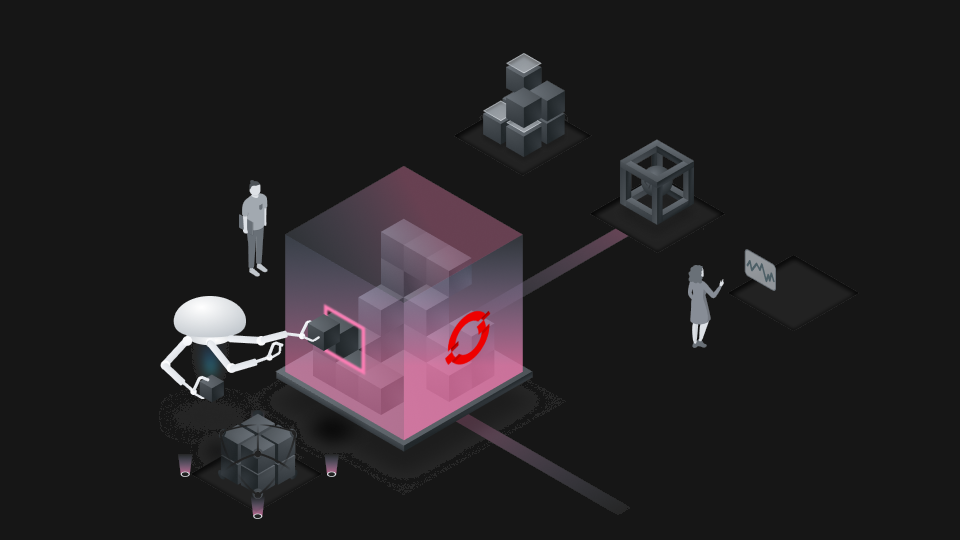
I joined a Developer Services illustration squad in 2021, developing assets and guidance for Cloud and DevOps world pages and facilitating a mini-jam on how the visual language could support more products and stories. I later presented the process to the Cloud PAL Design Guild and contributed to guidance and animation research.
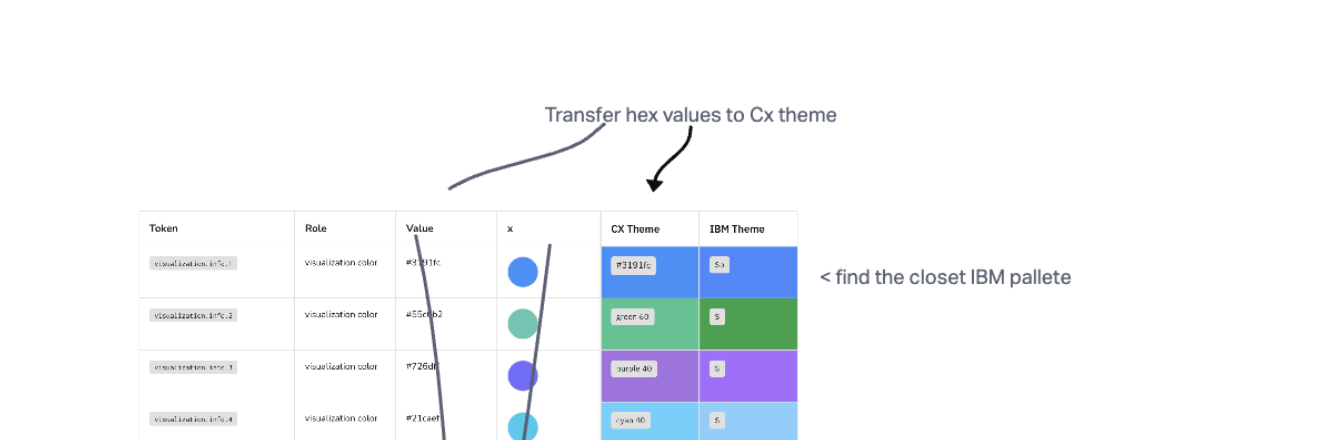
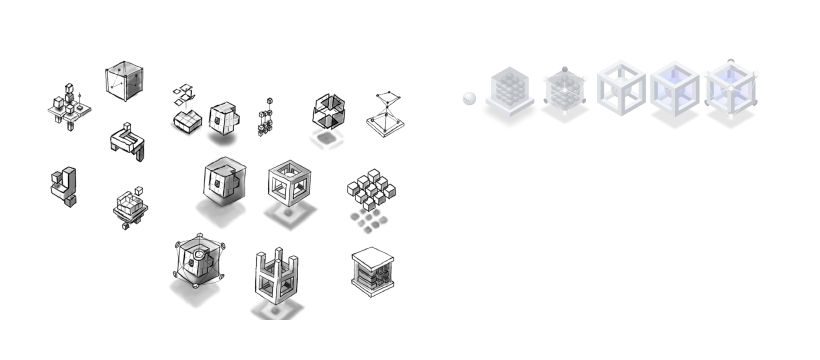
In 2022, I mentored designers through the documentation, collaborated on the next phase of Cloud illustration, developed a Figma kit for pilot use, supported light-mode testing, and helped restart the Cloud Illustration Squad. The system had to keep each service recognizable while making construction, lighting, perspective, and reduced metaphors consistent enough to feel related.
By 2023, that approach continued through collaborative Cloud PAL 2.0 documentation. The lasting value was not one hero image. It was a clearer path from concept to scene, from scene to reusable parts, and from individual craft to a language another designer could extend.
The throughline
Create leverage beyond the artifact.
Across IBM Cloud, I moved from needing the system explained to me toward making complex work clearer for the next person: a user navigating a subscription, a team deciding what to fix, a developer implementing Carbon, or a designer extending a visual language.